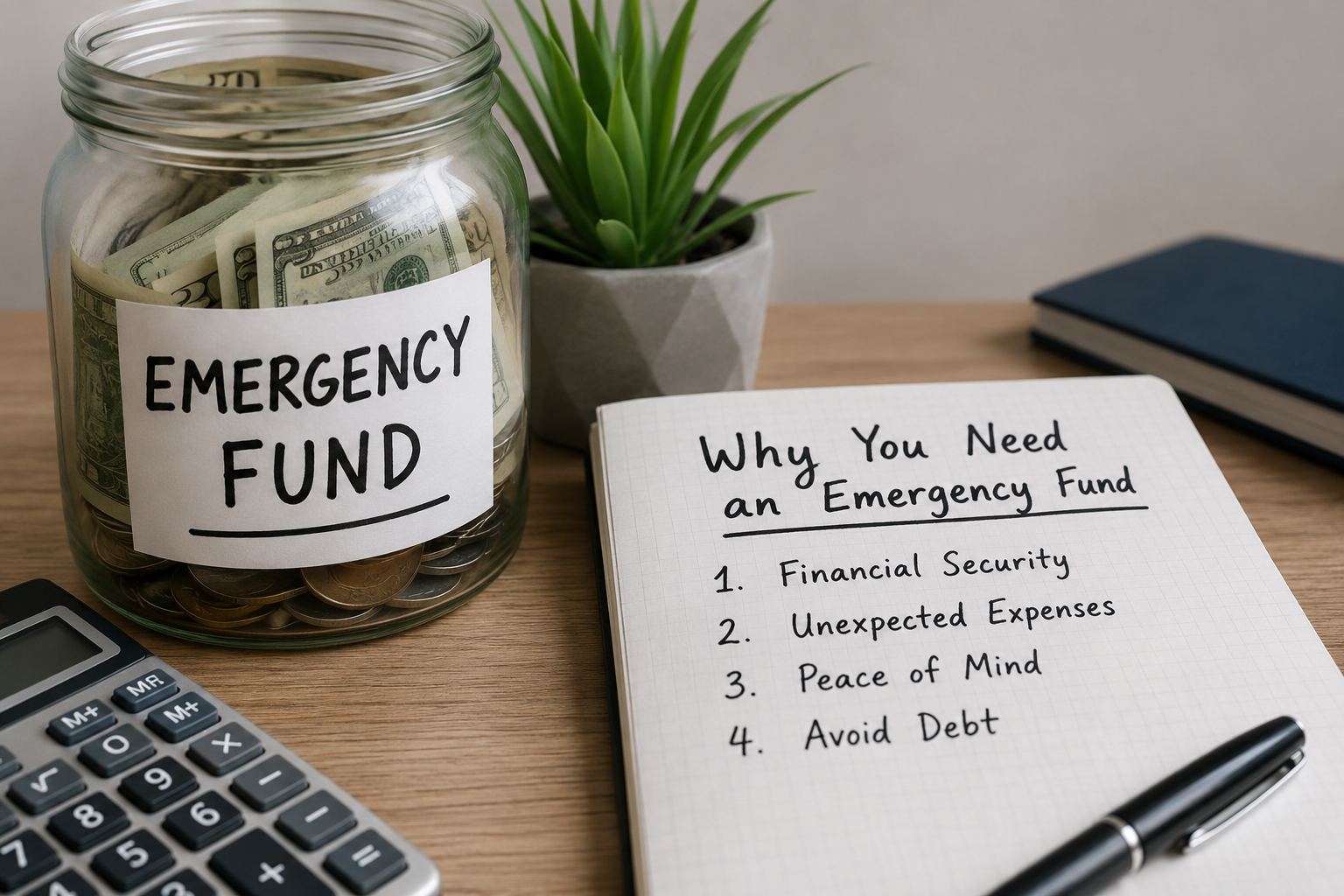
Financial stability is a major goal for almost everyone. However, life has a unique way of disrupting our most carefully designed plans. Sudden medical emergencies, unexpected car breakdowns, urgent home repairs, or rapid career shifts can happen at any time. emergency fund guide. When these stressful situations arrive, they usually come with a heavy financial cost.
Without a proper cash cushion, a minor life hiccup can easily transform into a long-term financial disaster. emergency fund guide. Many individuals find themselves forced to rely on high-interest credit cards, personal loans, or borrowing from friends. These choices create a toxic cycle of debt that is incredibly difficult to escape. emergency fund guide. This is exactly why building a dedicated emergency fund is the absolute foundation of healthy personal finance.
An emergency fund provides more than just financial security. It delivers valuable peace of mind during chaotic times. This comprehensive guide breaks down exactly why you need an emergency fund and how to build one step-by-step from scratch.
1. What Exactly is an Emergency Fund?
Before learning how to build one, you must understand what an emergency fund truly represents. An emergency fund is a separate, dedicated pool of liquid cash. Its sole purpose is to cover unexpected, essential expenses that arise without warning.
What It is NOT
It is equally vital to understand what an emergency fund is not. This cash reserve is not a savings account for your next vacation. emergency fund guide. It is not a fund for buying holiday gifts, upgrading your smartphone, or purchasing a designer outfit during an online clothing sale.
Treat this fund as a personal insurance policy, not an investment portfolio or a shopping fund. It must sit silently in the background, untouched and protected, until a true financial crisis physically occurs.
2. Why You Absolutely Need an Emergency Fund
Many beginners make the mistake of prioritizing investing or luxury spending over basic emergency savings. They assume that their steady monthly salary is enough to handle daily life. Here is why skipping an emergency fund is a dangerous gamble:
It Prevents Toxic Debt Accumulation
When an urgent bill arrives and you have no cash, you are trapped. Swiping a credit card or taking a payday loan might solve the immediate problem today. However, high interest rates will quietly drain your future income for several months or years. An emergency fund lets you pay cash instantly, completely bypassing the trap of debt interest.
It Protects Your Long-Term Investments
If you invest all your extra money into stocks, index funds, or real estate without keeping a cash buffer, you face serious risk. If a job loss occurs during an economic market downturn, you will be forced to sell your investments at a major loss to pay your basic rent. Having liquid cash protects your retirement accounts, allowing your investments to grow uninterrupted.
It Provides Immense Mental Relief
Financial stress is one of the leading causes of anxiety and relationship conflicts worldwide. Knowing you have a dedicated pool of cash to survive a job loss creates deep emotional comfort. It changes your mindset from a state of constant panic to absolute financial confidence.
3. How Much Money Should You Save?
The ideal size of an emergency fund depends heavily on your unique lifestyle, monthly obligations, and personal risk tolerance. However, personal finance experts agree on a standard baseline.
The 3-to-6 Month Rule
As a general rule of thumb, aim to accumulate exactly 3 to 6 months of basic living expenses.
Calculate your absolute survival minimums, excluding luxury spending. Add up your rent or mortgage, utility bills, basic groceries, insurance premiums, and minimum debt payments. If your survival baseline is $2,500 a month, your target goal should be between $7,500 and $15,000.
Who Needs a Larger Fund?
Consider saving a larger 9-to-12 month cushion if you meet any of the following conditions:
- You work as a freelancer, independent contractor, or business owner with volatile monthly income.
- You are the sole breadwinner supporting a large family or elderly parents.
- You suffer from a chronic medical condition that leads to recurring healthcare costs.
4. Where Should You Keep Your Emergency Fund?
The location of your emergency fund requires a careful balance between two concepts: accessibility and growth. You need the cash to be accessible within a few minutes during a crisis. However, you do not want it sitting where it can be spent casually.
Avoid Traditional Checking Accounts
Keeping your emergency money in your everyday checking account is a massive mistake. When you see a large balance every time you swipe your card, you will subconsciously find reasons to spend it on non-emergencies.
Use a High-Yield Savings Account (HYSA)
The absolute best home for your emergency fund is a separate High-Yield Savings Account (HYSA), preferably at a different bank from your everyday accounts.
HYSAs are usually offered by reputable online banks. They pay significantly higher interest rates than traditional brick-and-mortar neighborhood banks. This setup helps your cash grow safely over time, protecting its purchasing power from the silent erosion of annual inflation. More importantly, it keeps your money safe from impulsive spending while remaining fully accessible via electronic transfer when a real emergency strikes.
5. How to Build Your Emergency Fund Step-by-Step
Starting from zero can feel completely overwhelming. Accumulating thousands of dollars looks like an impossible mountain to climb. However, you do not have to build your full fund in a single week. It is a gradual, consistent process.
Step A: Set a Small Starter Target
Do not focus immediately on the giant 6-month goal. Instead, set a small, highly achievable starter target of $1,000. Wiping out this initial target builds massive psychological momentum and proves that you can successfully save cash.
Step B: Automate the Process Entirely
Human willpower is weak against modern consumer advertisements. If you wait until the final weekend of the month to save what is left over, you will usually save nothing.
Set up an automated recurring transfer through your online banking portal. Arrange for a specific amount (like $50 or $100) to move directly from your paycheck into your HYSA the day after you get paid. This forces you to “pay yourself first” before you get a chance to see and spend the cash.
Step C: Cut Unnecessary Expenses Mercilessly
Review your latest bank statements honestly. Identify non-essential items you can temporarily pause while building your starter fund. Cancel streaming services you don’t watch, reduce dining out, and skip expensive daily commercial coffees. Redirect every single dollar from these cuts straight into your emergency account.
Step D: Deposit Financial Windfalls Immediately
Whenever you receive unexpected cash, do not use it to upgrade your lifestyle. Direct 100% of tax refunds, work bonuses, cash gifts, or income from selling old clutter straight into your emergency shield. These windfalls can instantly accelerate your progress by several months.
6. Defining a True Emergency: When to Touch the Fund
Once your account begins to grow, you will feel tempted to use it. To protect your fund, you must establish strict personal boundaries. Before withdrawing a single dollar from your HYSA, ask yourself three essential questions:
- Is it completely unexpected? (A routine annual car insurance payment is predictable; a sudden engine failure is unexpected.)
- Is it absolutely necessary? (Buying text books for university is necessary; buying tickets to a trendy concert is a luxury want.)
- Is it truly urgent? (Fixing a broken refrigerator immediately is urgent; remodeling your kitchen counters can wait.)
If the situation does not meet all three criteria, do not touch your cash. Leave it alone to do its real job.
Final Thoughts: The Gift of Financial Peace
Building a full emergency fund requires time, discipline, and consistent sacrifices. It means choosing long-term security over temporary, instant gratification. However, the first time your car breaks down or a medical bill arrives and you can pay it instantly without stress, you will realize its true value. An emergency fund transforms a terrifying life crisis into a minor financial inconvenience. Start small today, automate your savings habits, protect your cushion, and give yourself the ultimate gift of absolute financial peace of mind!
Best Places to Visit in the USA in 2026: The Ultimate Travel Guide
Amtrak